Utilities & resources safety, built for New Zealand.
Mining, energy, water, and telecommunications field staff work in environments where help is hours away. Duress brings it to seconds.
Trusted by Spark, WasteCo and Sunergise.


Pick the team that matches your work.
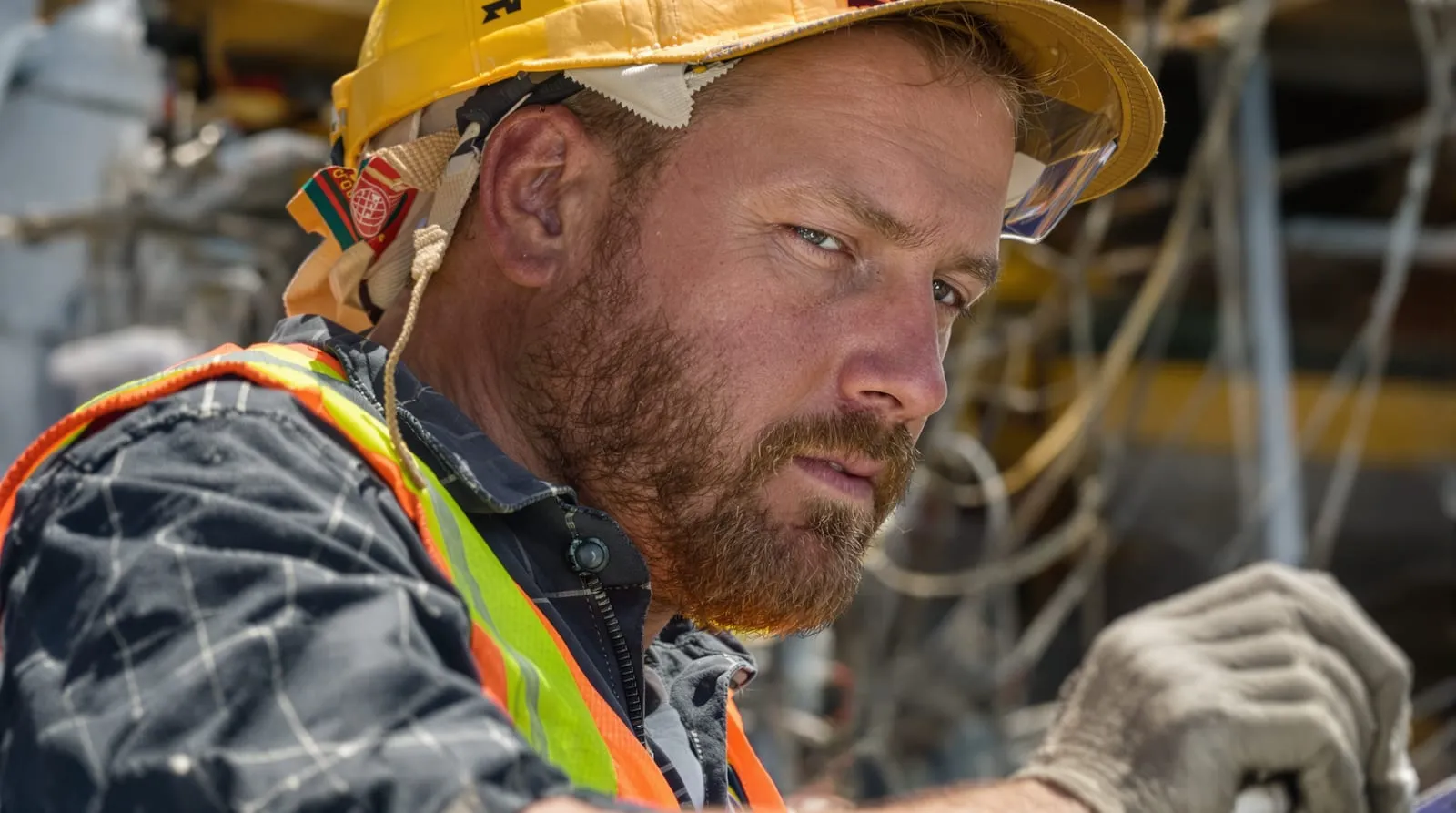
Energy field crews
Linecrews, meter readers, and field technicians at remote sites. Duress is the difference between a missed check-in and a response already on the way.
Read more
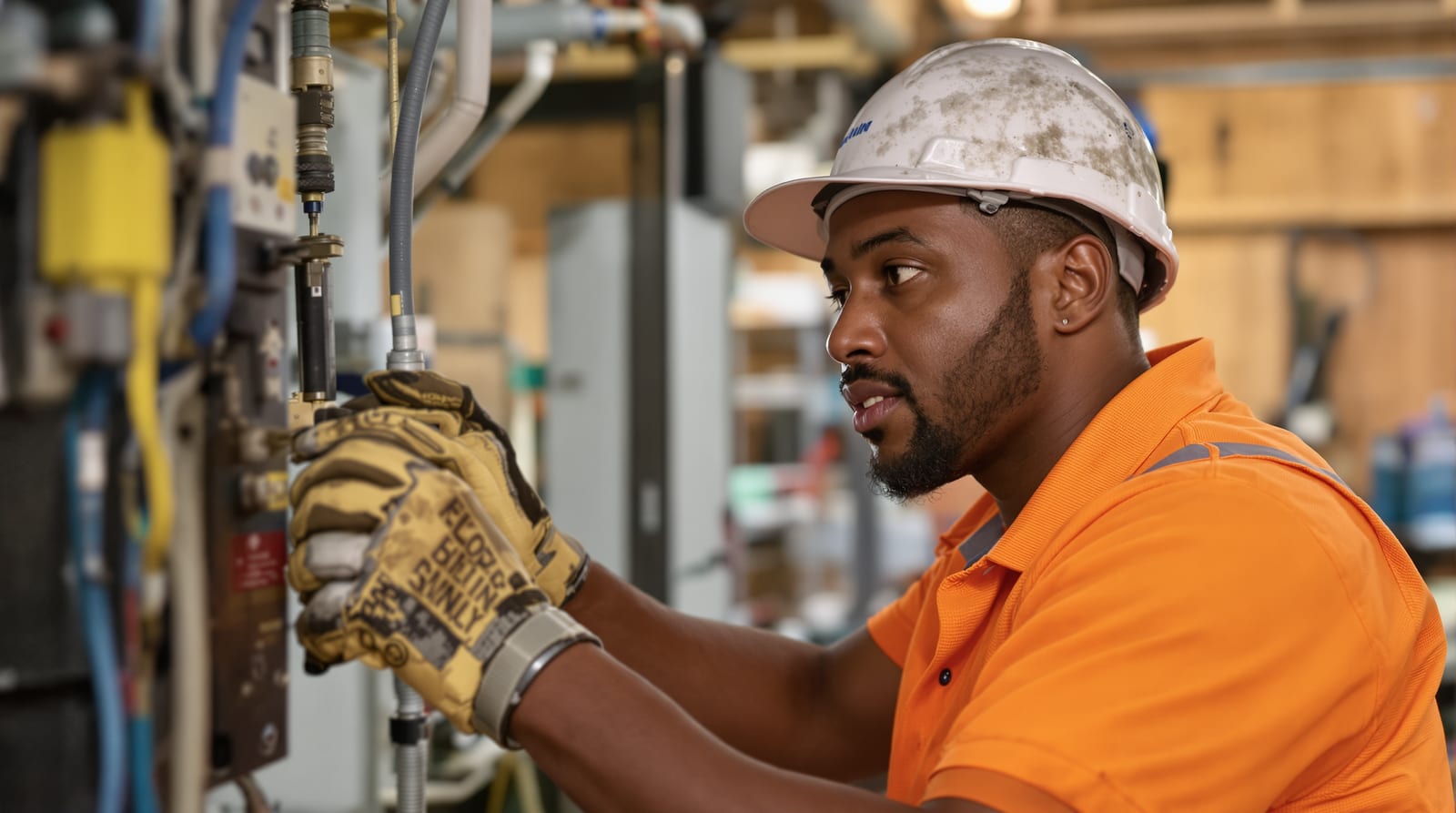
Water utilities
Operators at treatment plants, meter techs, leak-response crews. Duress carries the worker through the parts of the network nobody else sees.
Read more
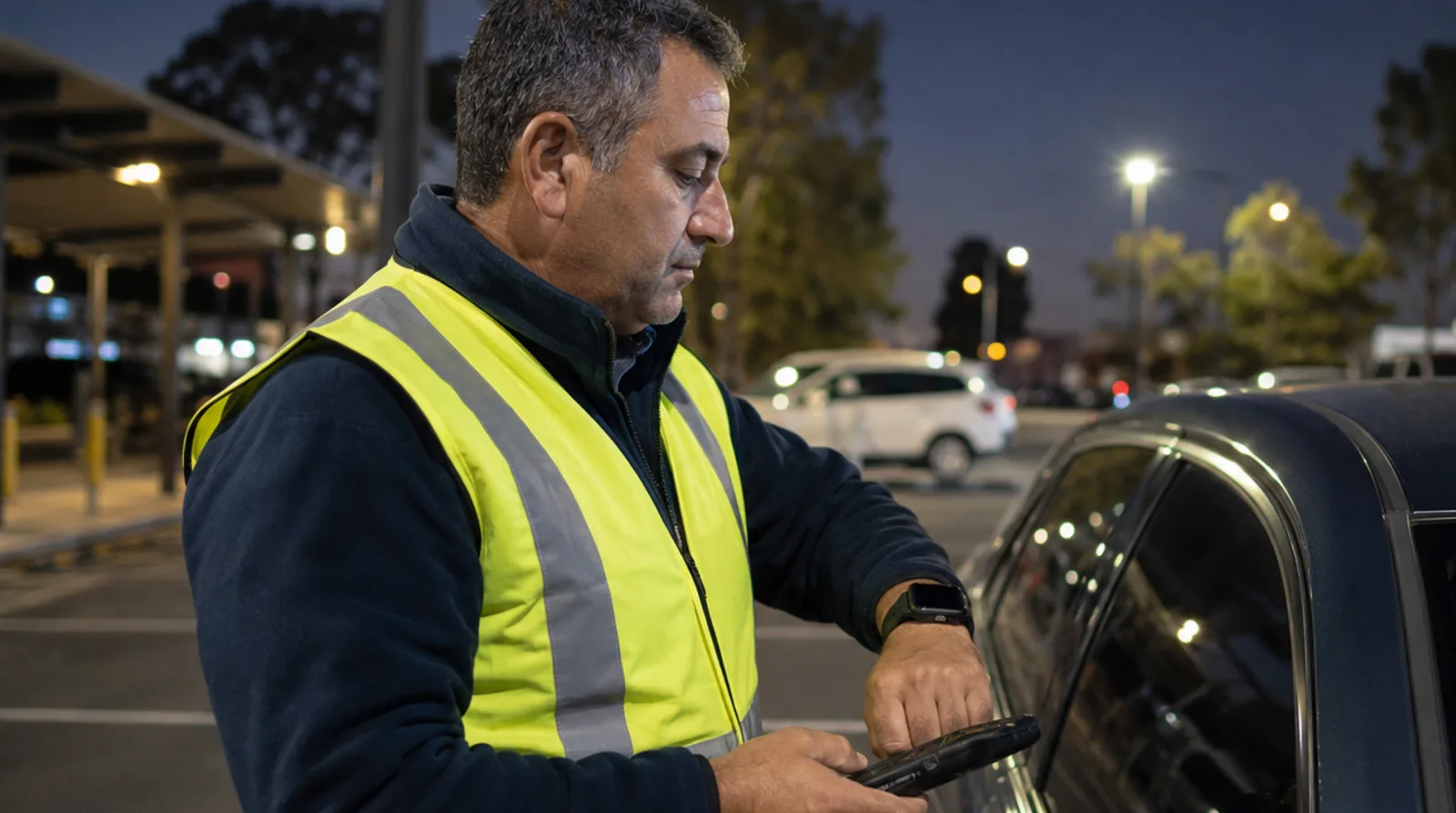
Telecommunications field
NBN and telco field techs, tower crews, broadband installers. Duress goes where the network does, not where the office does.
Read moreThe risks utilities & resources teams already know.

- 01 Field staff in remote or hazardous sites
- 02 Tower climbs, confined spaces, after-hours work
- 03 Satellite-only coverage in many sites
- 04 Compliance with mining and energy WHS obligations
- 05 Integration with existing safety management systems
What utilities & resources buyers care about.
The decisions our customers in this segment tested us against before they signed.
-
Lone worker controls.
Mandatory check-in cadence, automatic escalation on missed timers, mandown on falls and impacts. Maps to the lone-worker duties in health and safety law and to ISO 45001.
-
Remote site coverage.
4G LTE with BLE beacon indoor positioning. Crews on transmission lines, water assets, mining, oil and gas stay connected wherever cellular reaches.
-
Permit-to-work integration.
Activation timers tied to permit-to-work duration. Permits auto-extend with confirmed check-ins. Permits flag overdue when check-ins fail. Audited under your existing safety case.
-
ICAM evidence.
Full event log feeds the ICAM investigation: who, where, when, what was said, what was done. Audit-ready without anyone reconstructing the shift from logbook entries.
Where Duress earns its place on a utilities & resources shift.
Each scenario maps to a Duress product and to an outcome we can show in the audit log.
-
 Eagle ›
A lineman climbing a remote tower.
Eagle on the climb with fall detection running in the background. Auto-escalates if they hit the ground and don't respond in 60 seconds. Help reaches the site through dispatch and the Operations Centre in parallel.
-
 Falcon ›
A mining worker underground.
Falcon with Bluetooth-beacon positioning gives dispatch the exact bay, the exact level, the exact face. Not just "somewhere in the pit". Code-orange escalation routed through your existing mine emergency response.
-
 App ›
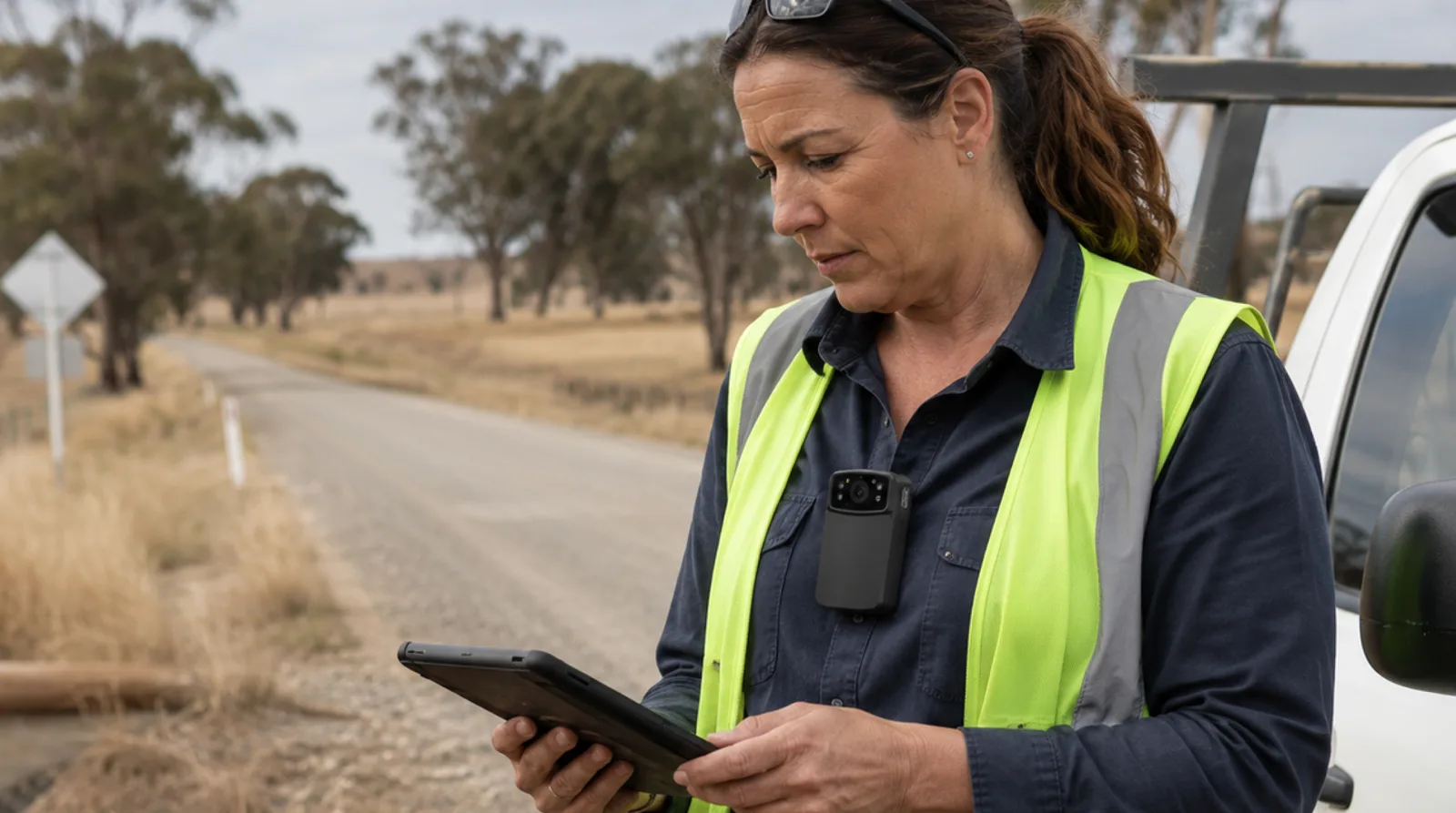
App ›A field-service tech at a substation alone.
Duress App on the phone in their pocket. Safety Timer set on the gate. Slide-to-alert if a switching error or a hostile visitor changes the picture. Live audio to operators while the tech walks to the truck.
-
 Phoenix ›
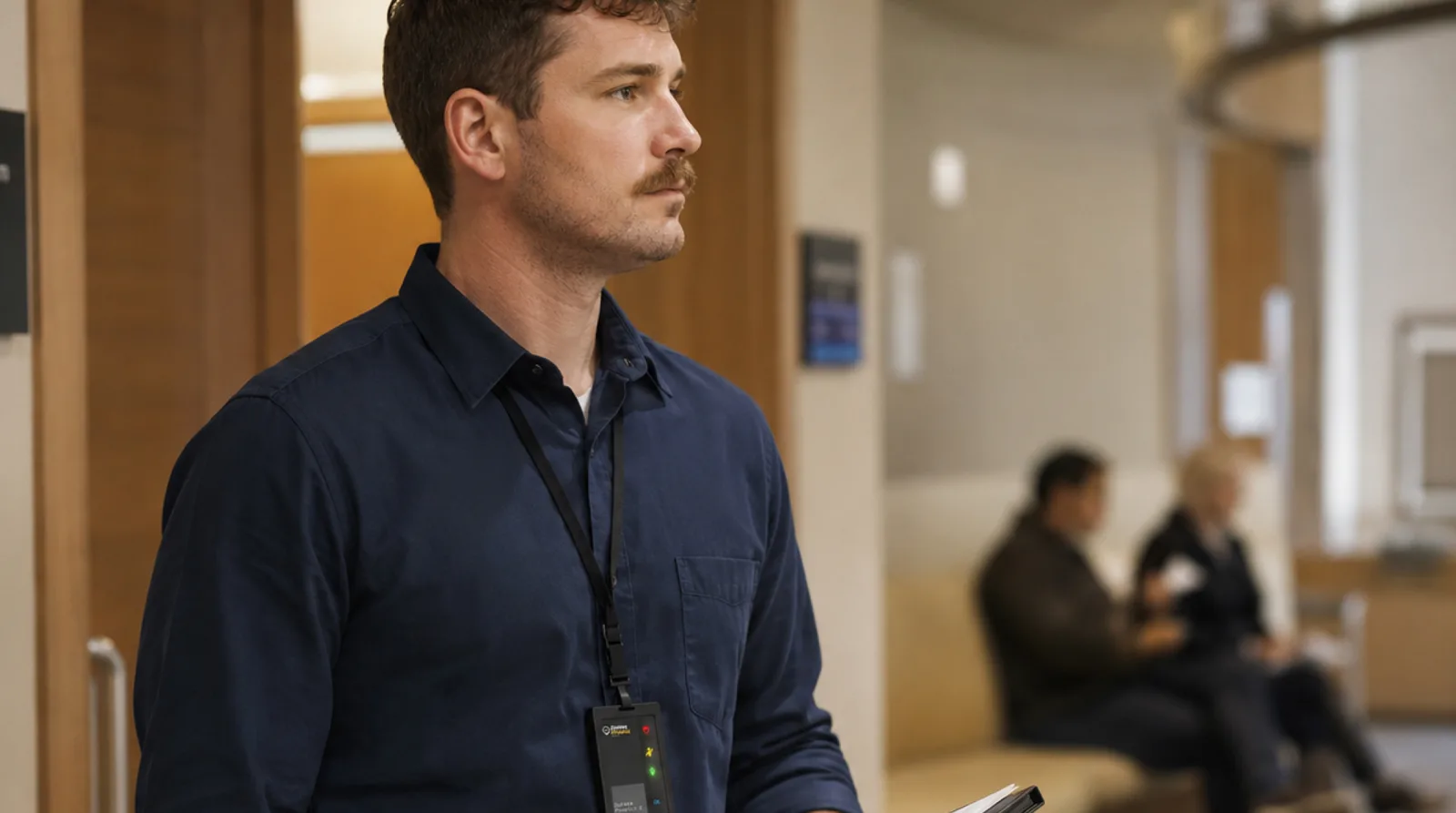
An offshore platform worker on a confined-space entry.
Phoenix on a lanyard, Pathfinder workflow tracks entry / exit / check-in. Missed check-in auto-escalates to platform OHS and the Operations Centre simultaneously.
-
 Eagle ›
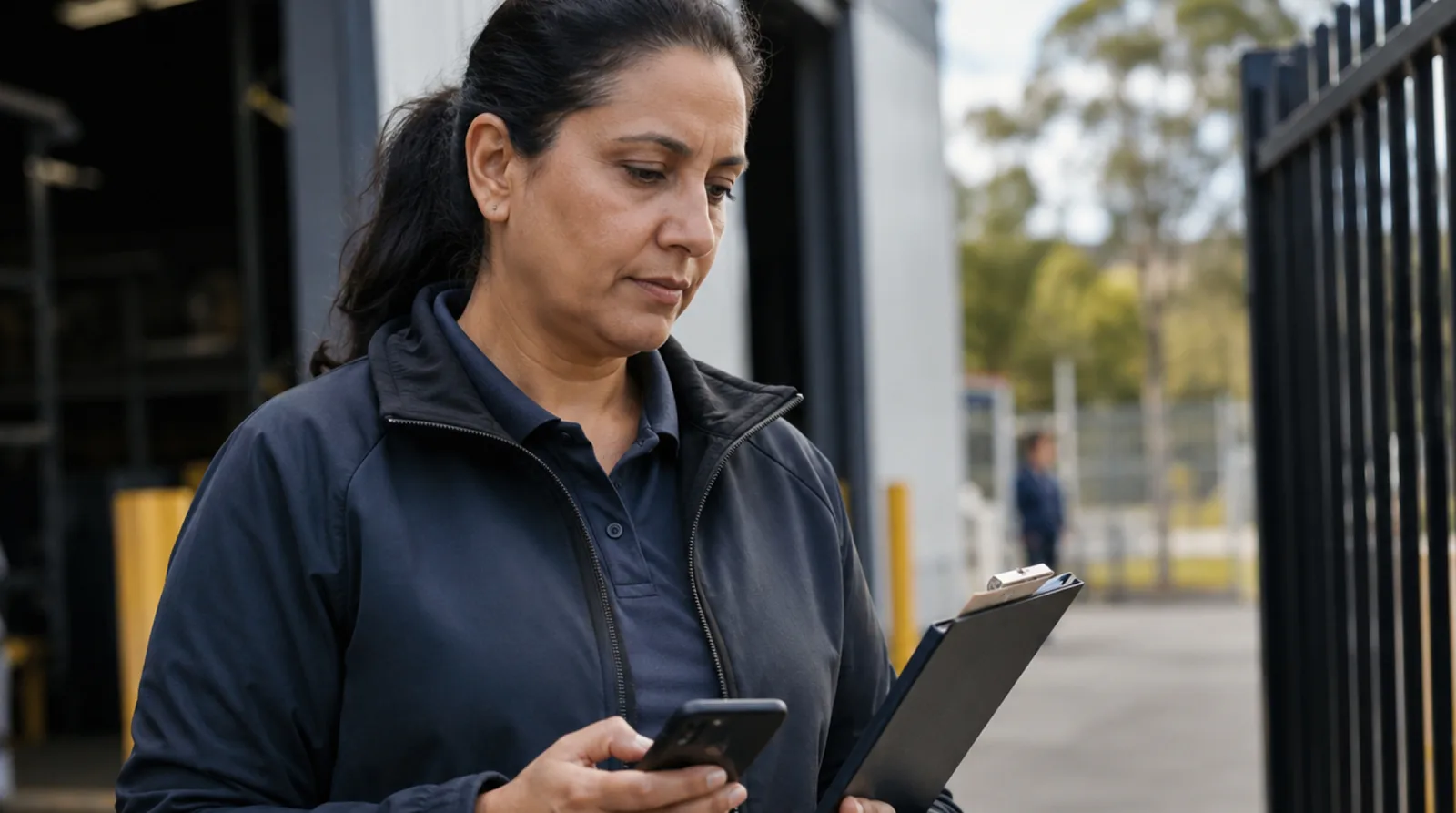
A field crew on a coupe deep in the bush.
Eagle with continuous GPS breadcrumb over 4G LTE. Man-down sensor escalates if no motion detected for the configured window. Crew leader sees everyone's location on Pathfinder in real time.
-
 Pathfinder
Annual ICAM investigation, regulator briefing.
Pathfinder produces the full event log: alert, location, response, dispatch chain, time-to-help, outcome. Investigators get a complete factual record without anyone reconstructing the day from logbook entries.
An answer for every reviewer on your utilities & resources deal.
Different roles will have different questions. Pick yours.
Your primary concern is that workers are protected, incidents are documented, and your safety management system meets regulatory expectations. Duress addresses each: real-time visibility across your team, automatic incident logging, and a technology control that satisfies the hierarchy of controls under the Health and Safety at Work Act 2015.
From minutes to seconds.
Buddy calls and manual check-ins leave response gaps measured in minutes. Duress triggers operator response averaging 7 seconds with live video, audio, and GPS.
Auditable due diligence.
A complete record of every safety interaction, alert, and check-in. Documented proof of a systematic, technology-based approach to lone-worker protection.
No IT project required.
Deploys via email invitation. No servers, no infrastructure changes. Your team is protected within days of signing, not months.
Real-time dashboard.
Every worker's status, location, and check-in in real time. Full incident history for quarterly safety reviews and board reporting.
Your concern is whether this expenditure is justified and what the financial exposure looks like if you don't proceed. The math is straightforward: one preventable incident costs more than the entire platform.
Predictable total cost.
All-inclusive subscription: hardware, software, monitoring, SIM, onboarding, customer success. No hidden fees. Annual invoicing. Pricing locked for the term.
Zero upfront capital.
Hardware billed once upfront. Software per device per month. No surprise capex. Opex-friendly. NFPs stack a 5% discount on both.
Reduced liability profile.
A documented technology-based safety system demonstrates reasonable practicability under work health and safety legislation. Reduces incident exposure and indirectly insurance premium.
Measurable cost avoidance.
One avoided incident, one reduced workers compensation claim, two fewer resignations: the platform pays for itself within the first year.
Your concern is data sovereignty, integration complexity, and security posture. Duress is a standalone system: no integration with your infrastructure, no access to your network, no changes to your security environment.
Zero integration required.
Devices connect via 4G. App connects over TLS 1.3. No VPN, no firewall exceptions, no Active Directory integration. SAML 2.0 / SCIM available if you want SSO.
Regional data hosting.
AU on AWS Sydney. UK on AWS London. NZ data agreement under Privacy Act 2020. US on AWS Virginia. ISO/IEC 27001:2022 certified. No cross-region replication without consent.
99.9% uptime SLA.
Contractual SLA. Dual-redundant monitoring centre. Offline device capability: devices trigger alerts even without data connectivity.
Central device management.
Provision and manage all devices centrally. Remote wipe. RBAC. Full audit log. SAML 2.0 / Azure AD / Okta / Google Workspace SSO available.
Your concern is strategic alignment and reputational risk. Under the Health and Safety at Work Act 2015, officers and directors carry a personal duty of care. A serious incident that could have been prevented with available technology is not just a financial exposure, it is a governance failure.
Personal duty, discharged.
A documented technology-based safety system removes a foreseeable, addressable risk from your organisation's governance profile. Defensible at board level.
People first, visibly.
92% of Duress-protected workers report increased confidence and safety. A tangible commitment to your people with measurable impact on engagement and retention.
No cross-department dependencies.
No IT project. No infrastructure change. Predictable annual invoicing. Operational from week two. The procurement path is short.
20,000+ teams already on it.
Healthcare, government, retail, transport, utilities, not-for-profits across AU, NZ, UK and the US. Reference customers in every segment we serve.
Your concern is data protection, regulatory compliance, and monitoring accreditation. Duress meets the standards your auditor will check for in every region we operate.
Data security.
AES-256 at rest, TLS 1.3 in transit. Per-tenant encryption keys. ISO/IEC 27001:2022 certified hosting. No customer data used to train AI.
Regulatory compliance.
Privacy Act 1988 (AU APPs), UK GDPR, NZ Privacy Act 2020, per-customer DPA in the US. Data retention configurable per tenant. Sub-processor list on request.
Monitoring accreditation.
ASIAL Grade A1 in Australia. BS 5979 / NSI Gold in the UK. Dual-redundant infrastructure. 7-second average pickup. Audited annually.
Access and identity.
RBAC, SSO via SAML 2.0 / Azure AD / Okta, SCIM provisioning, remote device wipe, full audit log. Security pack and DPA available under NDA.
WHS / Operations
Your primary concern is that workers are protected, incidents are documented, and your safety management system meets regulatory expectations. Duress addresses each: real-time visibility across your team, automatic incident logging, and a technology control that satisfies the hierarchy of controls under the Health and Safety at Work Act 2015.
From minutes to seconds.
Buddy calls and manual check-ins leave response gaps measured in minutes. Duress triggers operator response averaging 7 seconds with live video, audio, and GPS.
Auditable due diligence.
A complete record of every safety interaction, alert, and check-in. Documented proof of a systematic, technology-based approach to lone-worker protection.
No IT project required.
Deploys via email invitation. No servers, no infrastructure changes. Your team is protected within days of signing, not months.
Real-time dashboard.
Every worker's status, location, and check-in in real time. Full incident history for quarterly safety reviews and board reporting.
CFO / Finance
Your concern is whether this expenditure is justified and what the financial exposure looks like if you don't proceed. The math is straightforward: one preventable incident costs more than the entire platform.
Predictable total cost.
All-inclusive subscription: hardware, software, monitoring, SIM, onboarding, customer success. No hidden fees. Annual invoicing. Pricing locked for the term.
Zero upfront capital.
Hardware billed once upfront. Software per device per month. No surprise capex. Opex-friendly. NFPs stack a 5% discount on both.
Reduced liability profile.
A documented technology-based safety system demonstrates reasonable practicability under work health and safety legislation. Reduces incident exposure and indirectly insurance premium.
Measurable cost avoidance.
One avoided incident, one reduced workers compensation claim, two fewer resignations: the platform pays for itself within the first year.
IT / Security
Your concern is data sovereignty, integration complexity, and security posture. Duress is a standalone system: no integration with your infrastructure, no access to your network, no changes to your security environment.
Zero integration required.
Devices connect via 4G. App connects over TLS 1.3. No VPN, no firewall exceptions, no Active Directory integration. SAML 2.0 / SCIM available if you want SSO.
Regional data hosting.
AU on AWS Sydney. UK on AWS London. NZ data agreement under Privacy Act 2020. US on AWS Virginia. ISO/IEC 27001:2022 certified. No cross-region replication without consent.
99.9% uptime SLA.
Contractual SLA. Dual-redundant monitoring centre. Offline device capability: devices trigger alerts even without data connectivity.
Central device management.
Provision and manage all devices centrally. Remote wipe. RBAC. Full audit log. SAML 2.0 / Azure AD / Okta / Google Workspace SSO available.
Executive
Your concern is strategic alignment and reputational risk. Under the Health and Safety at Work Act 2015, officers and directors carry a personal duty of care. A serious incident that could have been prevented with available technology is not just a financial exposure, it is a governance failure.
Personal duty, discharged.
A documented technology-based safety system removes a foreseeable, addressable risk from your organisation's governance profile. Defensible at board level.
People first, visibly.
92% of Duress-protected workers report increased confidence and safety. A tangible commitment to your people with measurable impact on engagement and retention.
No cross-department dependencies.
No IT project. No infrastructure change. Predictable annual invoicing. Operational from week two. The procurement path is short.
20,000+ teams already on it.
Healthcare, government, retail, transport, utilities, not-for-profits across AU, NZ, UK and the US. Reference customers in every segment we serve.
Compliance
Your concern is data protection, regulatory compliance, and monitoring accreditation. Duress meets the standards your auditor will check for in every region we operate.
Data security.
AES-256 at rest, TLS 1.3 in transit. Per-tenant encryption keys. ISO/IEC 27001:2022 certified hosting. No customer data used to train AI.
Regulatory compliance.
Privacy Act 1988 (AU APPs), UK GDPR, NZ Privacy Act 2020, per-customer DPA in the US. Data retention configurable per tenant. Sub-processor list on request.
Monitoring accreditation.
ASIAL Grade A1 in Australia. BS 5979 / NSI Gold in the UK. Dual-redundant infrastructure. 7-second average pickup. Audited annually.
Access and identity.
RBAC, SSO via SAML 2.0 / Azure AD / Okta, SCIM provisioning, remote device wipe, full audit log. Security pack and DPA available under NDA.
Maps to the acts your auditors quote in New Zealand.
Health and Safety at Work Act 2015
New Zealand utilities and resources PCBUs manage worker safety under HSWA, with additional obligations under the Health and Safety at Work (Mining Operations and Quarrying Operations) Regulations 2016 for extractives and the Electricity (Safety) Regulations 2010. WorkSafe NZ's lone-worker guidance sets the response-and-recording standard Duress provides.
- HSW (Mining Operations and Quarrying Operations) Regulations 2016
- Electricity (Safety) Regulations 2010
- WorkSafe NZ: Lone worker guidance
The mapping above is current as of publication. Get the security pack for the full posture document your compliance team will ask for.
From contract to live in your utilities & resources team.
Three weeks is the standard. Faster paths exist for urgent deployments.
- 01
Site survey and pilot.
Senior consultant walks a representative site. Identifies blackspots, permit-to-work patterns, and existing safety case alignment. Two-week pilot on one crew.
- 02
Fleet rollout.
Roll to remaining crews. Pathfinder configured to your safety case and permit system. Connect to your SIEM and incident management platform via API.
- 03
Continuous improvement.
Monthly safety meeting reviews real activation data. Quarterly ICAM-style review of any significant events. Annual safety case update supported by 12 months of evidence.
The right tools for utilities.
The compliance toolkit for utilities & resources
What the law requires, the regulator's own guidance, and the templates that document it - free, no email required.
Official guidance: WorkSafe NZ - working alone or in isolation ↗ · Enforced by WorkSafe New Zealand
Not sure which device fits? See the best lone worker device for utilities & resources, or how a duress alarm works.
What utilities & resources buyers ask before signing.
Do Duress devices have intrinsic-safety / ATEX ratings for hazardous areas?
How does Duress handle remote sites beyond cellular coverage?
Can labour-hire and contractor crews be covered without buying them devices?
Does Duress integrate with our safety management system (Cintellate, Vault, INX, etc)?
Does the device work in MRI / RF / EMC-sensitive environments?
What's the rollout timeline for a 1,000-worker mine site?
Pick the path that fits your team.
Self-checkout for small teams, tailored proposals for mid-size, full sales for enterprise.
Buy direct.
Live in days.
Pick any single product, standard setup. Configure your team online, pay by card, devices ship in five days.
- Falcon, Phoenix, Eagle or the Duress App
- Card, Apple Pay or Google Pay
- Self-serve setup, 30 minutes
Proposal in your
inbox today.
Mix products, add SAML, configure escalations. Tell us your team. A tailored proposal with pricing lands within four hours. Approve and pay online when ready.
- Multi-product, SAML/SCIM, custom escalations
- Reviewed by a real CSM before it lands
- Pay online when approved, no calls needed
Senior consultant,
your industry.
Government procurement, custom monitoring, multi-region rollout, or RFPs with bespoke requirements. A senior consultant matched to your industry walks you through it.
- Government, RFP, multi-region, custom SLA
- Discovery call, then bespoke quote
- PO, invoice, Net 30 / Net 60 supported
Not sure which one? Tell us your team size and we'll route you. SAML, government work, RFPs and indoor-positioning surveys always go through the enterprise path.